
Tuesday, 3 February 2026
Best Vacations for Seniors With Limited Mobility in India
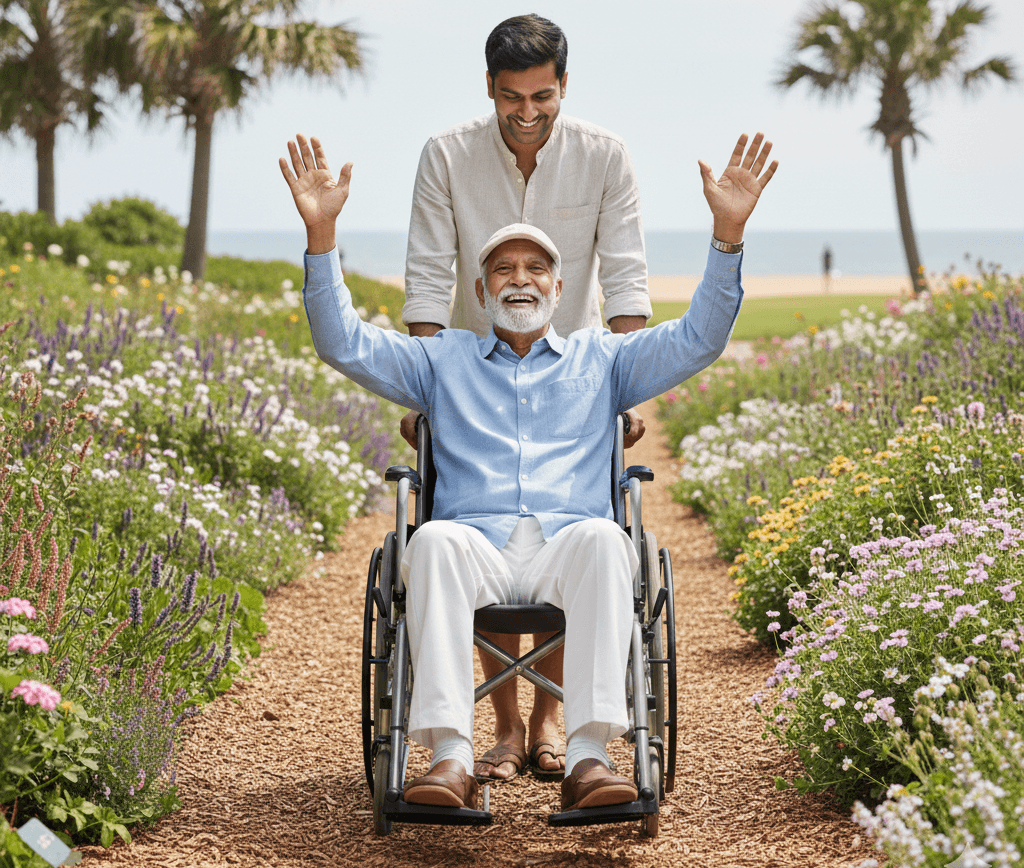
The idea that travel becomes impossible with age is a myth. India, with its evolving infrastructure and a deep-rooted culture of respecting elders, offers several destinations where "slow travel" is more than just enjoyable. In fact, slow travel is one of the best ways to experience the soul of the country. For seniors who use wheelchairs or prefer to avoid steep climbs, here are the top-researched destinations for 2026 that prioritize accessibility.
1. The Golden Triangle: Heritage Without the Hike
You don't need to trek for miles to witness India’s grand history. This circuit is now the gold standard for accessible tourism in the North.
Delhi: Focus on Akshardham (excellent ramps and lifts) and the new Kartavya Path. The wide, flat promenades are a dream for wheelchairs and evening strolls.
Agra: The Taj Mahal now offers dedicated wheelchair pathways and ramps. Pro-tip: Use the electric carts from the parking lot to the gate to save your energy for the monument itself.
Jaipur: Many "Havelis" have been retrofitted with modern lifts. Stick to the City Palace, which is largely flat and navigable.
2. Goa: Beyond the Party, Into the Calm
Goa is the capital of "doing nothing," which is perfect for a mobility-friendly break.
The Accessibility Win: Many South Goa beaches (like Colva) now feature beach wheelchairs and wooden walkways that let you get close to the water without getting stuck in the sand.
Stay: Opt for "Single-level" resorts. Many newer properties in Varca or Cavelossim are built on flat terrain with no stairs between your room and the dining hall.
Pro-tip: Rent a private car for the day rather than using local taxis. It allows you to keep your own pace and leave your mobility aids in the trunk.
3. Kerala Backwaters: A Moving Viewpoint
If walking is a challenge, let the scenery come to you.
Houseboat Haven: In Kumarakom, you can board a houseboat designed with wide decks. You can spend 48 hours drifting through emerald canals without taking more than fifty steps a day.
Ayurvedic Ease: Kerala’s resorts specialize in Abhyanga (oil massages) that are specifically modified for seniors to help with joint stiffness and circulation.
Pro-tip: Ensure the houseboat has a "low-entry" boarding point. Some older boats have steep steps; always ask for a "mobility-friendly" vessel when booking.
4. The Spiritual Circuit: Varanasi & Ayodhya
For many of us, a pilgrimage is a bucket-list priority. It is now possible to do this with dignity and comfort.
Varanasi: Skip the crowded main ghats. Head to Namo Ghat—it is modern, spacious, and completely wheelchair accessible. You can witness the Ganga Aarti here with much more breathing room.
Ayodhya: The new infrastructure around the Ram Janmabhoomi includes battery-operated carts and dedicated lanes for seniors.
Pro-tip: Travel during the "shoulder season" (February or October). The weather is mild, and the crowds are thinner, making navigation much safer.
5. Luxury Rail: Rajasthan’s "Palace on Wheels"
The most effortless way to see Rajasthan is by rail. The government has focused heavily on making these luxury trains senior-ready.
Why it works: You unpack once. Your "hotel" moves with you. The staff are trained to assist seniors, and the excursions are curated to avoid the most strenuous climbs.
Pro-tip: Inquire about the "Senior Pilgrim Schemes." These often provide AC travel and priority seating at a subsidized rate for those over 60.
Tips for Making Any Holiday Senior-Friendly
• Pre-book wheelchair support at airports, hotels and major attractions. Many Indian cities now offer mobility assistance on request. • Choose adapted tours and private transport so your schedule is guided by comfort rather than public timetables. • Stay centrally. Shorter distances to local sights reduce the need for walking. • Plan shorter daily stops with regular rest breaks and adequate hydration. • Check hotel accessibility in advance. Wide doorways, ramps and lifts make a significant difference.
Final Thoughts
India’s diversity makes every trip unique — from calm beach towns and spiritual circuits to cultural heritage and peaceful backwaters. With improved accessibility infrastructure and a growing focus on inclusive travel, seniors with limited mobility now have more choices than ever before.